



The role of the manufacturer in gourmet refrigeration is not just to be in a project, but to advise or resolve technical doubts about the refrigerators that the distributor or installer will propose to the customer so that the industrial refrigeration part is well defined. For example, in projects where the equipment is visible, the product is sensitive or if the premises have constraints, a technical consultation in time usually avoids later adjustments, because it allows to align model, installation, real use and maintenance before surprises appear.
The role of the manufacturer in 5 points
- In gourmet refrigeration, many problems do not come from the equipment, but from the actual environment and use.
- The manufacturer adds value by clarifying installation requirements, operating limits and recommendations for use and maintenance.
- It also helps to choose between models in a range and to define settings and priorities, because not all projects ask for the same thing.
- It is advisable to consult when it is cold, the margin of error is small or the project is to be repeated in more than one location.
- With minimal information in order, the back and forth is reduced and the start-up is usually cleaner.
For context on energy, traceability and criteria that are driving decisions in HORECA, see trends 2026 in professional HORECA refrigeration.
A common case in gourmet
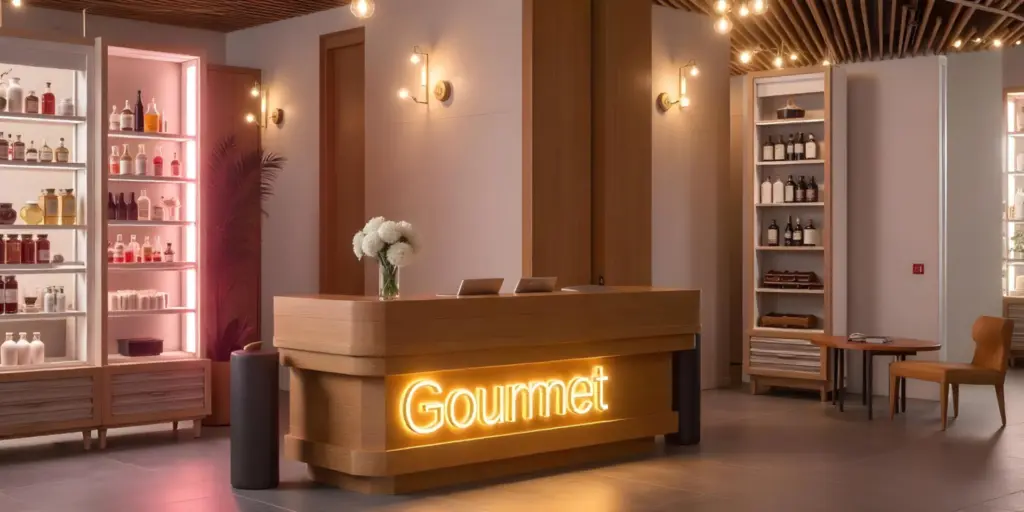
A store wants a showcase in the room, with clean aesthetics and plenty of light. In plan, everything fits. In reality, the equipment is close to the showcase, hot air accumulates and at rush hour the door opens more than expected. The equipment does not “fail”. What fails is the fit between environment, operation and maintenance.
This is where the role of the manufacturer in gourmet refrigeration It is noted: not to “do the work”, but to set clear conditions and avoid decisions that are later paid for in adjustments, visits and loss of stability.
If you are an end customer, how it is channelled
CORECO does not sell directly. If you have a project, it is normal to manage it with a distributor or installer in your area, who leads the installation and support. If you contact CORECO, the next step will be to orientate you towards the professional network so that the project is well executed and serviced.
Why in gourmet the cold has to be adjusted to the project
In gourmet, cold often does three jobs at once: preserving, displaying and fitting into the design. This works well when priorities are agreed and actual usage is validated.
Three typical frictions
- Environment: shop windows, spotlights, open kitchen, lack of ventilation, low ceilings.
- Actual use: openings, replenishment, peaks, rotation, room equipment habits.
- Design: room integration, perceived noise, hot air expulsion, visual cleanliness.
Mini-table of signs and what to ask for to understand them
| If you see this | It usually comes from | What to ask for or validate |
|---|---|---|
| Oscillates or “does not stabilise”.” | heat, openings, location | actual environment, usage pattern, ventilation |
| Higher than expected consumption | unventilated socket, dirt | installation margins, access, cleaning |
| Repeated alarms | unplanned operation | schedules, peaks, replenishment, gate routine |
| Drop in performance over time | insufficient maintenance | access, filters, cleaning, periodicity |
Conversation pill
It's not “more machine”, it's a better fit, because the environment and use decide how it performs.
What the manufacturer provides on the cooling side
The role of the manufacturer in gourmet refrigeration usually takes the form of three inputs that can be used as they are in a professional conversation.
1) Selection of equipment within the range
Not all models respond equally to the same use. The manufacturer helps to make the right choice when there are conflicting priorities.
Typical selection criteria
- Which product is critical and how much it tolerates variations.
- How important is visibility versus operational robustness.
- What physical space is available for ventilation, access and maintenance.
- What opening hours and peaks are expected.
How to tell it in a sentence
We choose the model that will stand up to your actual use because that's where you gain stability and avoid adjustments.
2) Installation requirements that avoid repeated problems
The equipment can be correct and still perform poorly if it is left “not breathing” or in the hot zone.
Short installation checklist that often makes a difference
- Real ventilation available in the end fitting.
- Heat dissipation without recirculation of hot air.
- Access for cleaning and servicing without dismantling half a unit.
- Location away from light bulbs, direct sun or heat sources.
3) Recommendations for use and reasonable accommodation
In gourmet, small habits have big effects.
Typical examples of useful recommendations
- Set alarms with operational logic, so that they really warn and are not ignored.
- Order replenishment and loads to reduce thermal shocks.
- Define a cleaning routine that maintains stable performance.
Conversation pill
The aim is not that there should be “no alarms”, but that alarms should mean something and help to act in time.
When to consult the technical team
There is no need to “always consult”. It is often appropriate when the project has little room for improvisation or when the cost of deviation is high.
Signs of a demanding project
- Equipment at sight and with weight in customer experience: showcases, wine cellars in view, murals in the room.
- Sensitive or high-value products: wine, fine pastries, premium charcuterie, special meats.
- Very marked interior design: intense lighting, customised integration, tight fittings.
- Repeatable project: several openings are foreseen and standardisation is desirable.
Signs of operational risk
- Hot premises: direct sun, shop window, open kitchen, spotlights.
- Little physical space: narrow fittings, columns, complicated access.
- Long hours or heavy peaks: weekends, campaigns, events.
- Difficult maintenance: no clear access, cleaning not very convenient.
Rule of thumb
If the likely risk is in environment, usage or maintenance, early consultation often saves iterations, because it avoids correcting with the equipment already installed.
The project fiche that accelerates responses
It is not a “off-the-shelf” requirement, it is a faster way of working. The clearer the actual fit, the stronger the recommendation.
Minimum information checklist
- Concept: type of business and what you want to show to the customer.
- Critical product: the one that cannot fail and its sensitivity, if known.
- Simple plan: measurements, heights and real openings.
- Photos of the environment: shop window, spotlights, hot spots, planned location.
- Proposed location of equipment and how staff move around.
- Timetable and peaks: Actual or Assumption marked as such.
- Operational: replenishment, gate frequency, loading times.
- Priorities in order: aesthetics, consumption, capacity, maintenance, budget.
- Installation conditions: ventilation, heat dissipation, acceptable noise.
- Maintenance: expected accesses and expected level of service.
Frequent errors when submitting information
- Just give “linear metres” and forget environment and use.
- Flat with no heights or access and then the equipment does not fit or does not hold well.
- Not saying priorities and ending up arguing about everything at once.
- Do not describe peaks and choose for a use that does not exist.
Conversation pill
The more clarity there is at the beginning, the less adjustment there will be later, because the recommendation is born out of actual use.
How to coordinate distributor or installer and manufacturer
This method is simple and repeatable. It does not aim at bureaucracy, it aims to avoid double work.
Recommended steps
- Define the purpose of the cold: to preserve, display or both, and what is the critical product.
- Assemble the project fiche in a single submission, with photos and priorities.
- Review environmental risks and minimum installation conditions.
- Propose main alternative and, if it provides value, an alternative with another priority.
- Enclose clear conditions: ventilation, access, location, commissioning.
- Commissioning with real use test and a short guide to the equipment.
How to tell it without technicalities
First we agree on conditions, because if the team works in the right environment, the operation is more stable.
How to defend a decision that may cost more at the beginning
In gourmet refrigeration, the price is seen once. The operation is lived every day. That's why it often makes sense to talk about total cost, not just purchase.
Mini-table of visible cost and cost appearing afterwards
| Visible cost | What appears if the cold is not well thought out |
|---|---|
| Purchase difference | shrinkage, extra consumption, downtime, technician hours |
| “Saving” by fitting in anywhere | poorer performance due to heat and ventilation, unstable product |
| Cutting maintenance access | performance degradation and repeat visits |
How to tell the customer in one sentence
This option is designed to perform well with your environment and your real use, because if not, cheapness is paid for in consumption, gender and stops.
Common errors that trigger incidents
Ventilation and heat
Practical steps
- Identify heat sources: sun, spotlights, open kitchen, neighbouring equipment.
- Validates actual ventilation of the final socket.
- Secures access for cleaning and servicing.
- If hot air disturbs the room, treat it as a design requirement.
Doors, replenishment and rotation
Useful criteria
- How many openings are there at peak hour, data or Assumption.
- If product is replenished at a different temperature.
- If there are open door habits.
- If the rotation forces constant loading and unloading.
Simple measurement
A one-page operational guide helps because it reduces habits that generate alarms and loss of stability.
Maintainability and cleanliness
Quick checklist
- It can be cleaned without moving the furniture.
- There is access for reviews.
- The design does not block ventilation or maintenance.
- The customer knows what to do when there is a useful alarm.
Final checklist
- The scope is clear: the manufacturer supports the cooling part, he does not manage the entire construction site.
- The project fiche includes plan, photos, actual use and priorities in order.
- The environment is checked: heat, ventilation, location, access.
- Actual use is defined: gates, replenishment, peaks, data or Assumption marked.
- Maintenance is foreseen from the design stage.
- The proposal includes clear installation and commissioning conditions.
- There is a short guide for use by kitchen or kitchen staff.
- The decision is explained by total cost, because it reduces risk and corrective work.
Frequently asked questions
This means that the manufacturer leads the project
No. The project is led by the distributor or installer. The manufacturer supports the cooling part: choice of equipment, requirements, limits and prevention of incidents.
When consultation is not usually necessary
When the project is standard, the environment is controlled and there is already a history of similar installations with good results.
What information avoids the most back-and-forth
Plan with measurements, photos of the environment, usage pattern, even if estimated, and priorities in order. With this you can then make a sound recommendation.
Which errors trigger consumption and after-sales
Fitting without ventilation, direct heat, impossible access, unintended actual use and lack of cleaning or maintenance.
How to talk about efficiency without promising figures
Talk about efficiency in real conditions because heat, ventilation, doors and maintenance change consumption. Avoid numbers if they are not measured.
I am an end customer, who do I call
To your distributor or installer. CORECO does not sell direct; the project is channelled through the network to ensure installation and support.
Glossary
- Project fiche: ordered information to recommend well, with plan, photos, use and priorities.
- TCO: total cost of ownership: purchase, energy, maintenance, incidents and downtime.
- Thermal load: actual stress on the equipment due to environment, product, openings and light.
- Thermal stability: ability to maintain temperature with little fluctuation in actual use.
- Commissioning: adjustments with installed equipment and actual use, key to stabilisation.
- Installation ventilation: conditions to dissipate heat and maintain performance.
- Maintainability: easy to clean, service and repair without physical blockages.
- Shrinkage: loss of product due to inadequate preservation or instability.
- Useful alarms: warnings set to act, not to ignore.
For distributors and installers
What to ask the customer in order to fine-tune the cold end
- What product is critical and how it is presented, in plain sight or not.
- Schedules, peaks, replenishment and habits, with data or Assumption marked.
- Photos of the surroundings with spotlights, shop window, open kitchen and ventilation.
- Priorities in order: aesthetics, consumption, capacity, maintenance, budget.
- Expectation of maintenance: access and level of service.
How to approach it quickly and realistically
- It unifies information in a project fiche.
- Validate environmental risks before closing offer.
- Close written installation and commissioning conditions.
- It provides a brief guide on how to use it to avoid habits that lead to incidents.
CORECO does not sell direct. If you have a gourmet project where cold is the protagonist and the margin for error is small, discuss it with your distributor or installer of confidence. If necessary, consult with the technical team to validate equipment selection, installation and commissioning conditions, and thus reduce avoidable incidents.