







In the hospitality and gourmet dining sectors, food safety is a top priority. Among the most significant risks associated with eating raw or undercooked fish is the Anisakis, a parasite that can cause serious health problems. To ensure that seafood is reliable and high-quality, the blast chillers are the best tool. They allow for a fast and efficient freezing, ensuring that this parasite is eliminated without compromising the freshness or texture of the fish. In this article, we explain Why Coreco Gourmet's blast chillers are the ideal solution for combating Anisakis in professional kitchens. The blast chiller and Anisakis are directly related: rapid freezing is the safest method for eliminating the parasite.
If you'd like to learn more about our product line, You can view it at this link and find technical information on all modelsin detail.
What is Anisakis, and why is it a problem in professional kitchens?
The Anisakis It is a parasite found in fish and cephalopods such as squid and cuttlefish. When these foods are eaten raw or undercooked, they can transmit live larvae to consumers, causing anisakiasis, an infection with symptoms such as:
✅ Severe abdominal pain
✅ Nausea and vomiting
✅ Difficulty digesting food
✅ Severe allergic reactions (anaphylaxis in some cases)
The Anisakis It's not just a public health risk, but also it affects the reputation of restaurants and suppliers if appropriate measures are not taken to prevent it.
Spain ranks second in the world in the number of Anisakis infections, behind Japan. This is mainly due to the consumption of foods such as anchovies in vinegar—one of the most popular dishes—or sushi, which has been part of our diet for nearly three decades now.
In summary, Anisakis poses a significant challenge for professional kitchens due to the health risks it entails, legal obligations, and the need to implement strict controls to ensure food safety for diners.
Methods for Removing Anisakis: How Can We Ensure Safe Consumption?
To prevent anisakiasis, the European regulations (Regulation (EC) No. 853/2004) stipulates that fish intended for consumption raw must undergo one of the following treatments:
1️⃣ Cook at a temperature of more than 60°C for at least 1 minute.
2️⃣ Rapid freezing at temperatures below -20°C for at least 24 hours or to -35°C for 15 hours.
In gourmet dining, where the goal is to maintain the quality and freshness of the fish, the most viable option is the rapid freezing using blast chillers, since preserves texture and flavor without compromising food safety.
How can anisakis be prevented in professional kitchens?
To prevent Anisakis contamination in professional kitchens, it is essential to follow a series of measures based on regulations and best practices for food handling. These include:
1. Freezing Fish
- Freeze the fish at a temperature of -20 °C for at least 24 hours It is an effective method for eliminating Anisakis larvae, especially in fish that are eaten raw or undercooked, such as sushi, ceviche, or carpaccio.
2. Proper Cooking
- Cook the fish at a minimum temperature of 60 °C at the center of the product for at least one minute It kills the parasite. Methods such as frying, baking, or grilling are effective.
3. Purchasing and Handling Fish
- Buy gutted fish Processing the fish as soon as possible after it is caught reduces the risk of internal contamination by Anisakis4.
- Buy fish from reliable suppliers that meet food safety standards, or products from marine aquaculture, which have a lower risk of containing Anisakis.
- Store fresh fish at safe temperatures (≤4 °C) until it is processed.
4. Visual inspection
- Visually inspect the fish for any larvae before preparing it.
5. Implementation of the HACCP System
- Implement a program to Hazard Analysis and Critical Control Points (HACCP) to identify risks, establish critical controls (such as freezing and cooking temperatures), and conduct continuous monitoring.
6. Staff Training
- Ensure that workers are trained in food safety regulations and best practices to prevent Anisakis contamination.
These measures not only ensure food safety but also comply with current regulations to protect consumer health and avoid legal penalties.
The Rapid Chiller Against Anisakis: How It Eliminates It
The blast chillers These are devices designed to lower the temperature of food in a fast and secure, preventing the growth of microorganisms and ensuring optimal preservation.
Its use in the preservation of raw fish offers two major advantages:
✅ 1. Effective Elimination of Anisakis
Blast chillers can reach temperatures below -35°C in a few hours, ensuring the complete destruction of the parasite in much less time than traditional freezers.
✅ 2. Preserving the Quality of Fish
Unlike conventional freezing, which can take several hours and affect the texture of the fish, rapid freezing prevents the formation of large ice crystals, while preserving its original texture, flavor, and juiciness.
Benefits of Coreco Gourmet's Blast Chillers
In Coreco Gourmet, we developed state-of-the-art blast chillers, designed specifically for the hospitality industry and gourmet dining.Its main features include:
| Feature | Benefit |
|---|---|
| Ultra-rapid cooling | It lowers the temperature from -90°C to -18°C in a matter of minutes. |
| Regulatory compliance | Ensures the elimination of the Anisakis in accordance with Regulation (EC) No. 853/2004. |
| Quality Assurance | It prevents water from crystallizing inside the fish, preserving its texture. |
| Energy efficiency | Reduction of up to 55% in electricity consumption. |
| Precise temperature control | Programmable cycles tailored to each type of product. |
| Versatility | Perfect for fish, meat, prepared dishes, and baked goods. |
With this equipment, culinary professionals can ensure Maximum safety without compromising culinary excellence.
Use Cases in the Restaurant Industry and Gourmet Cuisine
The blast chillers They are essential in professional kitchens that prepare raw or lightly cooked fish. Some of the most common uses include:
🍣 Sushi and sashimi – They preserve the texture and flavor of the fish without the risk of anisakiasis.
🥗 Ceviches and Carpaccios – They stay fresh and have the perfect texture.
🐟 Anchovies in vinegar – They achieve a firmer, more uniform consistency after kneading.
⚓ Small-scale fishing and shellfish – They are slaughtered immediately after being caught to preserve their freshness.
The quality of the final product depends on strict temperature control from the time it is caught until it is consumed.
What are the best practices for storing raw fish in a restaurant?
Best practices for storing raw fish in a restaurant include a combination of hygiene measures, temperature control, and proper organization. Here are the main recommendations:
1. Maintain the cold chain
- Optimal temperature: Fish should be stored at a temperature between 0 °C and 4 °C in the refrigerator. For freezing, it should be kept at -20 °C or lower to ensure its freshness and prevent parasites such as Anisakis.
- Using ice: Placing the fish on a bed of crushed ice in a shallow container helps keep it fresh. It is important to drain off the excess water daily.
2. Cleaning and Preparation
- Gutted and washed: Remove the innards, scales, and blood before storing to prevent spoilage. This step can be done upon arrival at the restaurant if it was not done at the fish market.
- Storage Area Hygiene: Cold storage rooms must be cleaned weekly to prevent contamination4.
3. Organization and Separation
- Prevent cross-contamination: Store raw fish in airtight containers or sealed bags, separate from other raw foods such as meat or cooked foods. Place it on the lower shelves of the refrigerator to prevent dripping.
- Separate freezing: Freeze different types of fish in trays or individual packages to prevent flavors from mixing and to make them easier to thaw.
4. Product Turnover
- Apply the FIFO principle (First in, first out) to ensure that older products are used first.
- Label the containers with the date received to improve inventory control.
5. Safe Defrosting
- Thaw the fish slowly in the coldest part of the refrigerator for 24 hours. Avoid rapid thawing at room temperature or with hot water, as this promotes bacterial growth.
6. Staff Training
- Ensure that employees are trained in best practices for handling, cleaning, and storing fish to ensure food safety.
Following these practices ensures the freshness, quality, and safety of raw fish, protecting both the health of customers and the restaurant's reputation.
Coreco Gourmet: Innovation in Safety and Energy Efficiency
The blast chillers not only ensure the Elimination of Anisakis, but they also improve fish preservation, making it possible to offer fresh and safe products with the highest quality standards.
In Coreco Gourmet, we are committed to innovation, sustainability, and energy efficiency in commercial refrigeration. Our equipment is designed to optimize energy consumption and comply with the most stringent regulations in the hospitality industry.
If you want to ensure the highest level of safety and quality in your professional kitchen, discover our line of blast chillers in Coreco Gourmet and takes food safety one step closer to safety. 🚀
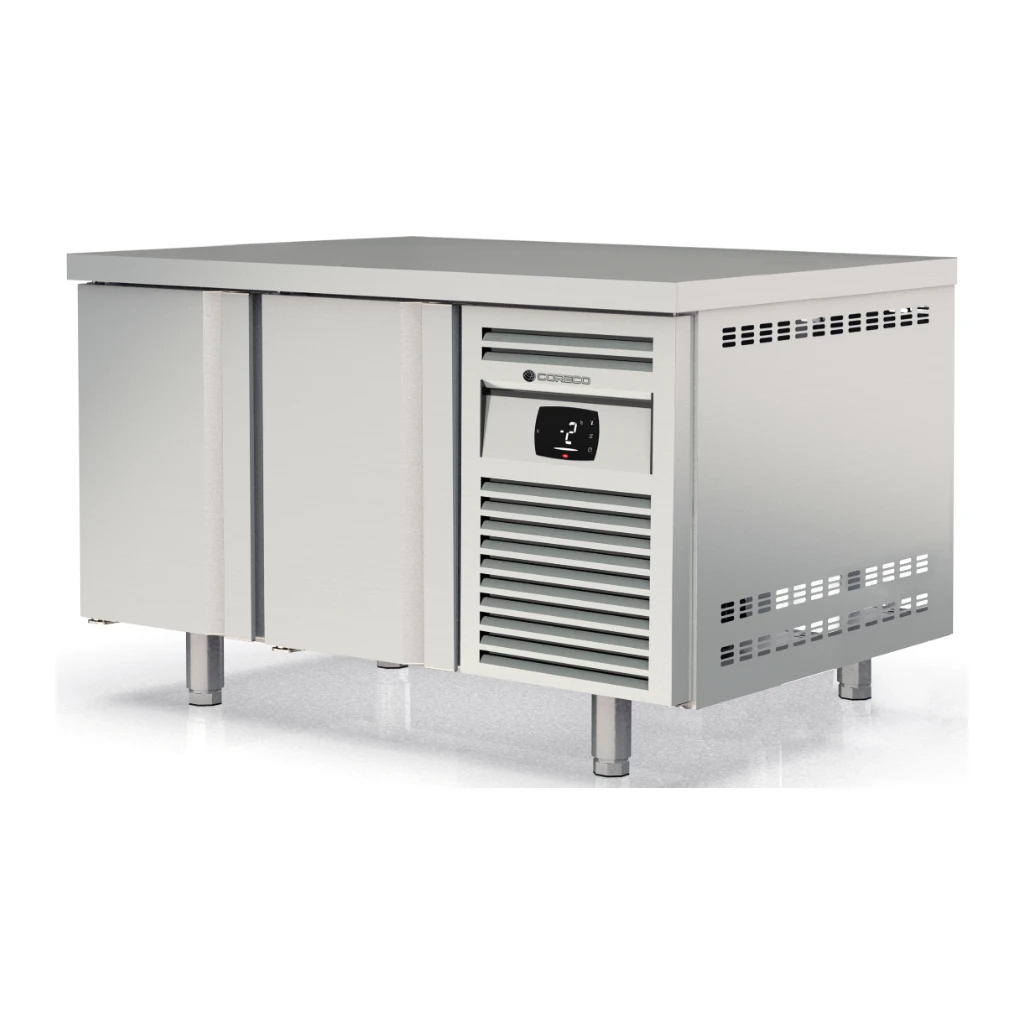
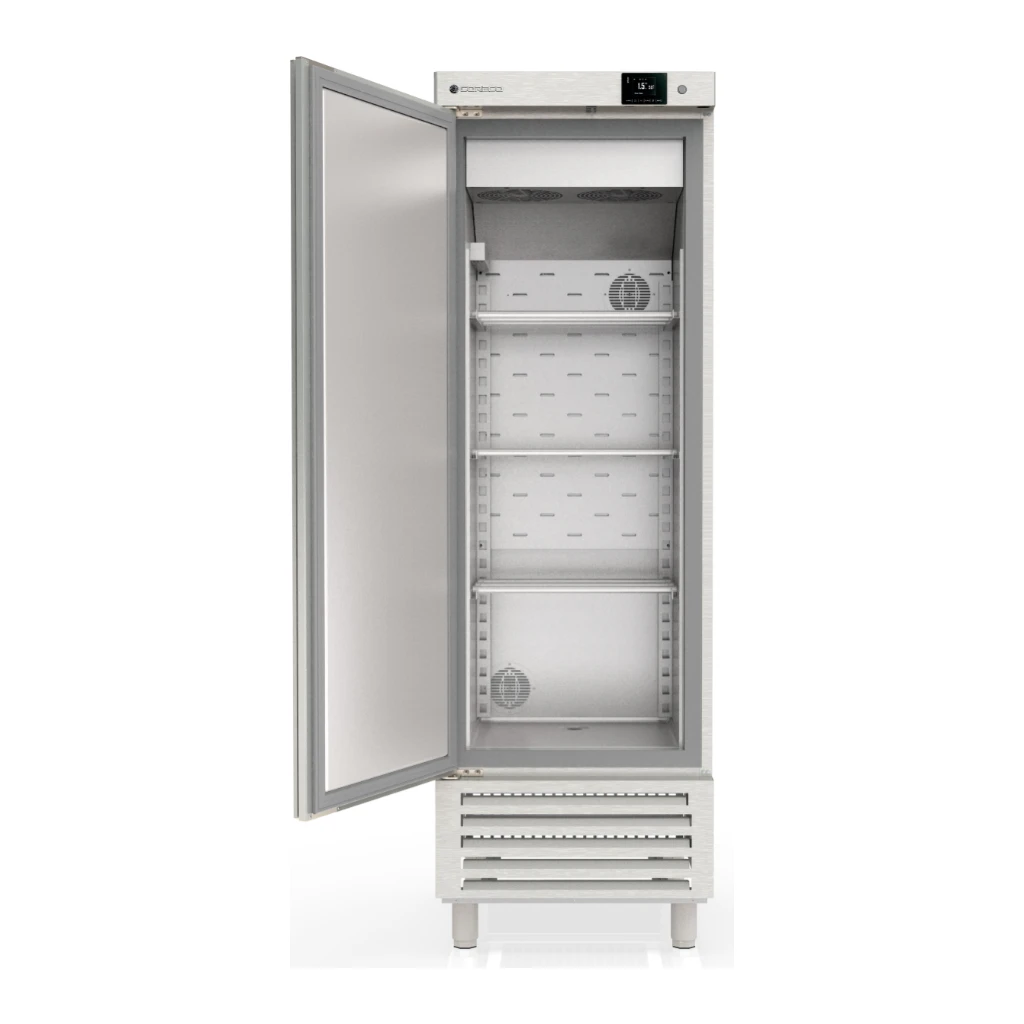
The slaughterers at the Manufacturer Coreco comply with the regulations on the preventive freezing of fish.




 Español
 English
 Français
 Deutsch
 Italiano