



Dark kitchens are kitchens without a dining area designed solely for home delivery, and their share of the delivery market continues to grow.
Welcome back to our blog. The digitization and growth of the delivery have driven a radical transformation in the hospitality industry, paving the way for the rise of dark kitchens o ghost kitchens. This model, based on producing food exclusively for delivery orders, has revolutionized the way restaurants operate, optimizing operating costs, logistics efficiency, and scalability. Dark kitchens have evolved from a novelty to an established model in the food delivery market; in this guide, we'll explore how they work and where they're headed.
The Exponential Growth of the Food Delivery Market and Its Impact on the Restaurant Industry
The global food delivery market continues to expand rapidly, transforming the way consumers access a wide variety of dining options. According to the study by The Brainy Insights, the sector reached a value of $242.09 billion in 2023, with projections indicating that will exceed $746,550 million in 2033, showing sustained growth at a compound annual rate (CAGR) of the 11,92% between 2024 and 2033.
This growth is no coincidence. Factors such as the rise in smartphone use, the demand for convenient food solutions, and the digitization of the dining experience are propelling the industry to unprecedented levels. The improvement in the network connectivity and innovation in delivery software have allowed platforms to evolve, offering more intuitive interfaces, optimized delivery times, and a wider variety of dining options.
Asia-Pacific: The Engine of Global Growth in Delivery
Within the global market, the region of Asia-Pacific has established itself as the the undisputed leader in the delivery industry, with a participation rate of 41.51 TP3T of the market's total revenue in 2023. Countries such as China, Japan, India, and South Korea have experienced a rapid growth in demand for food delivery, sponsored by changes in food preferences, rapid urbanization, rising per capita income, and the rise of highly efficient delivery platforms.
The business model of consumer platform led the sector, accounting for the 68% Market Share in 2023. As for the access channels, the mobile apps dominated the sector with a market share of 82%, thanks to its ease of use, speed, and accessibility.
The Future of Food Delivery and Its Relationship with Dark Kitchens
These figures reflect a an irreversible trend in consumer habits. The convenience, technology, and personalized service Customer expectations have changed, solidifying the model of dark kitchens as the perfect partner for capitalizing on this trend.
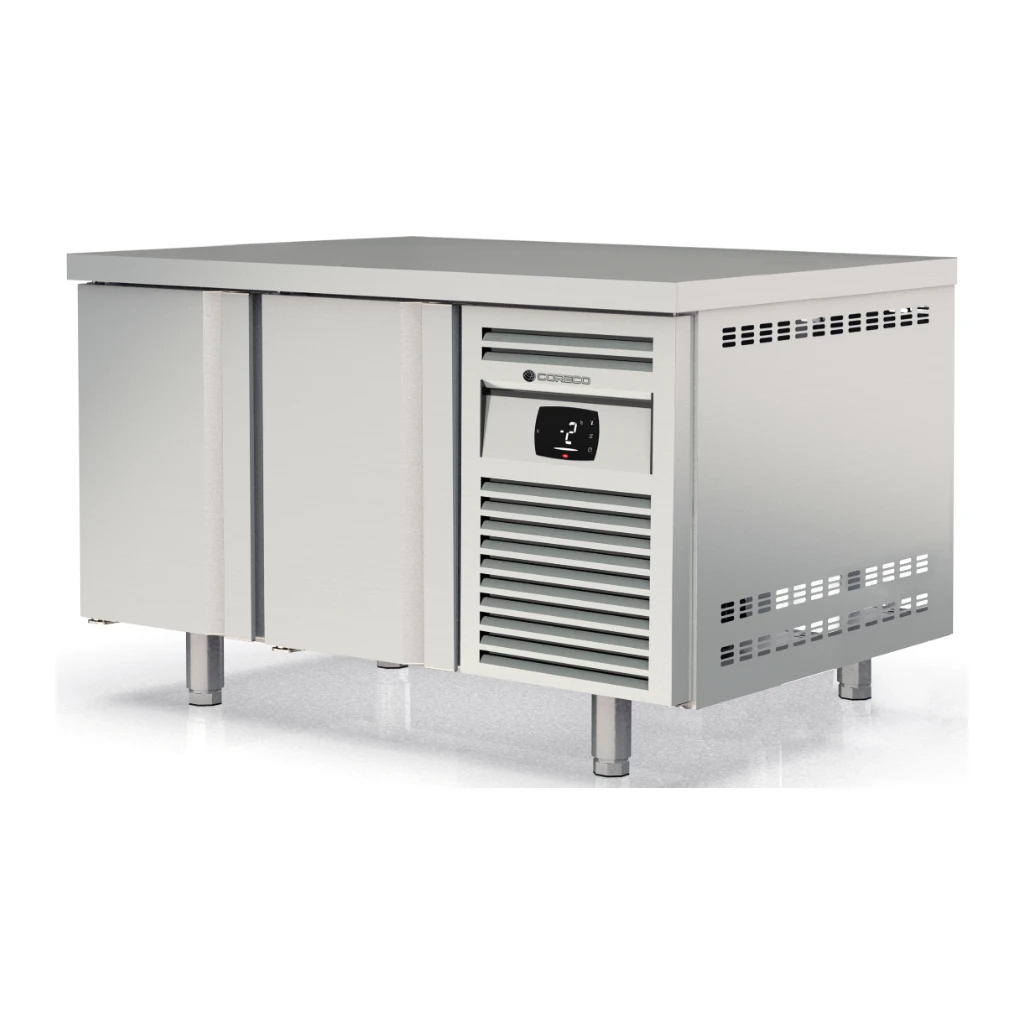
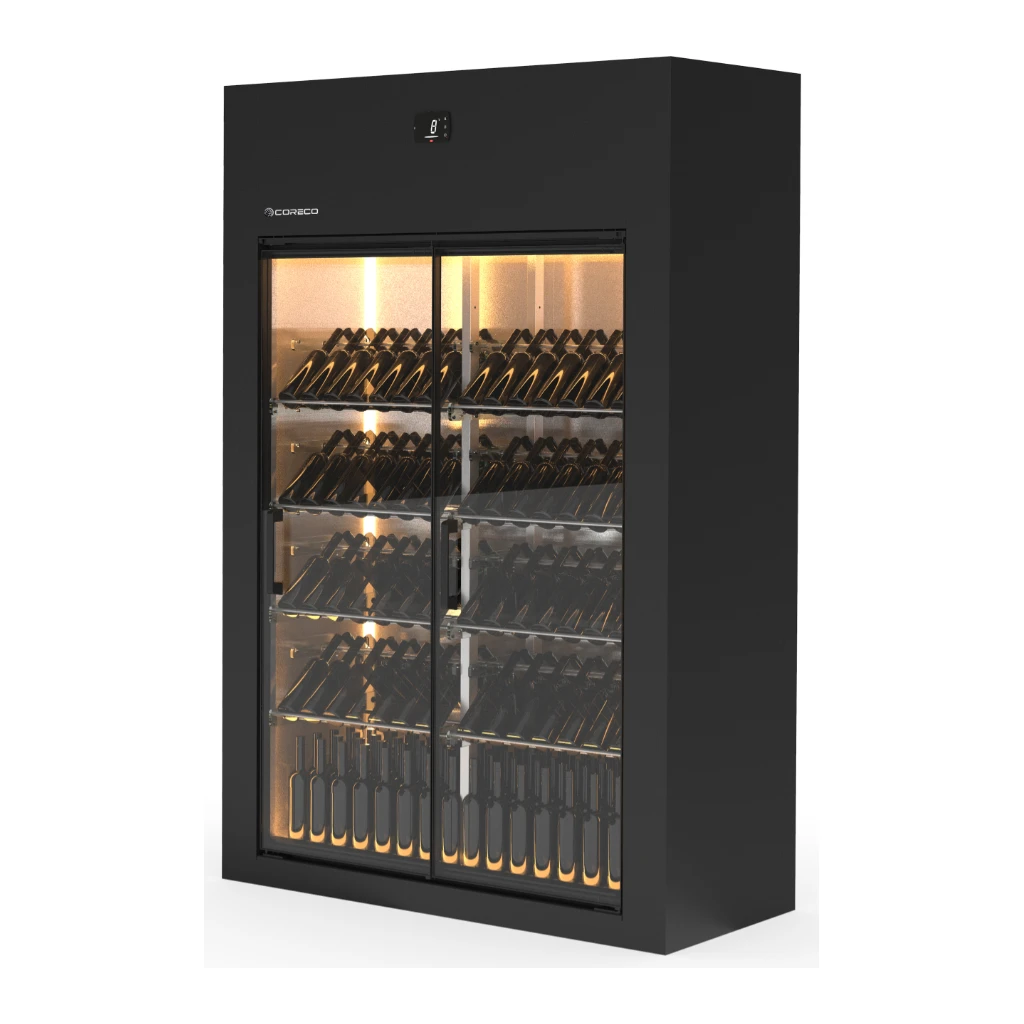
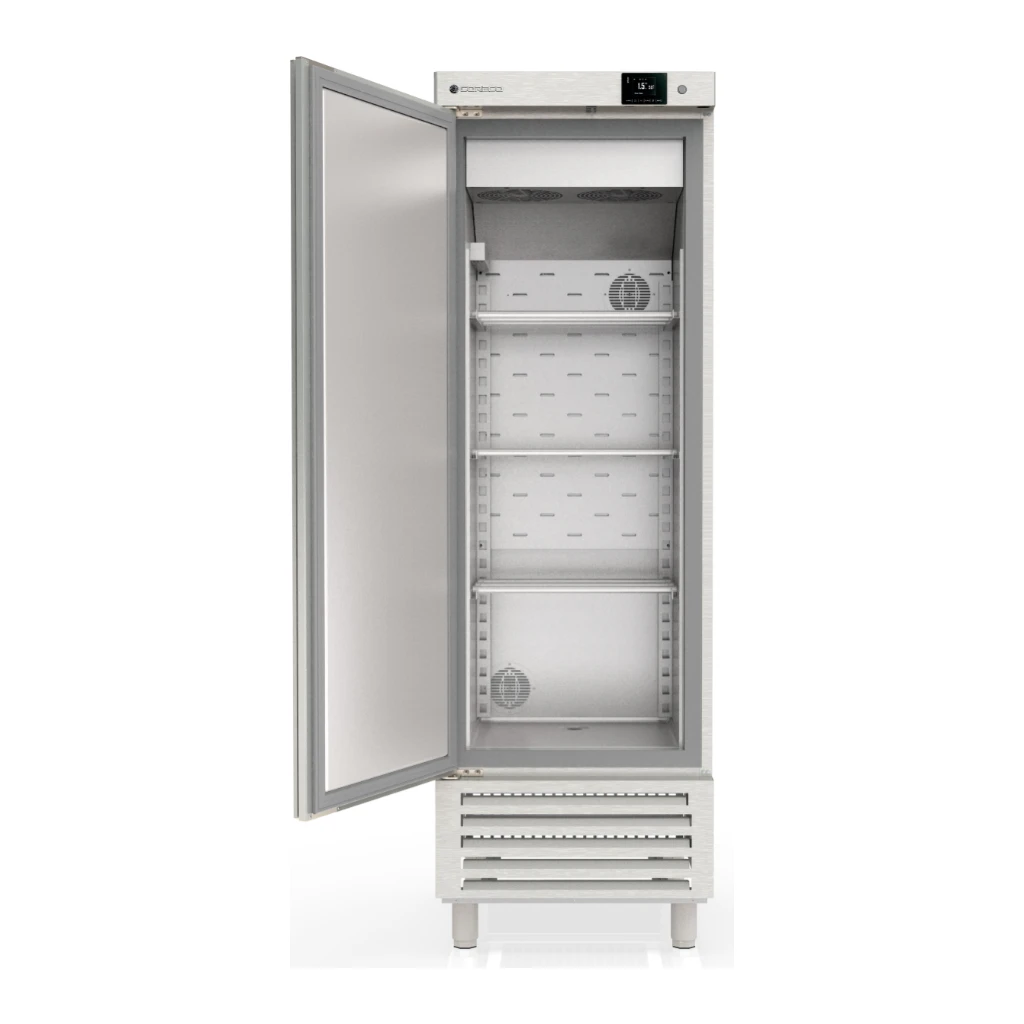
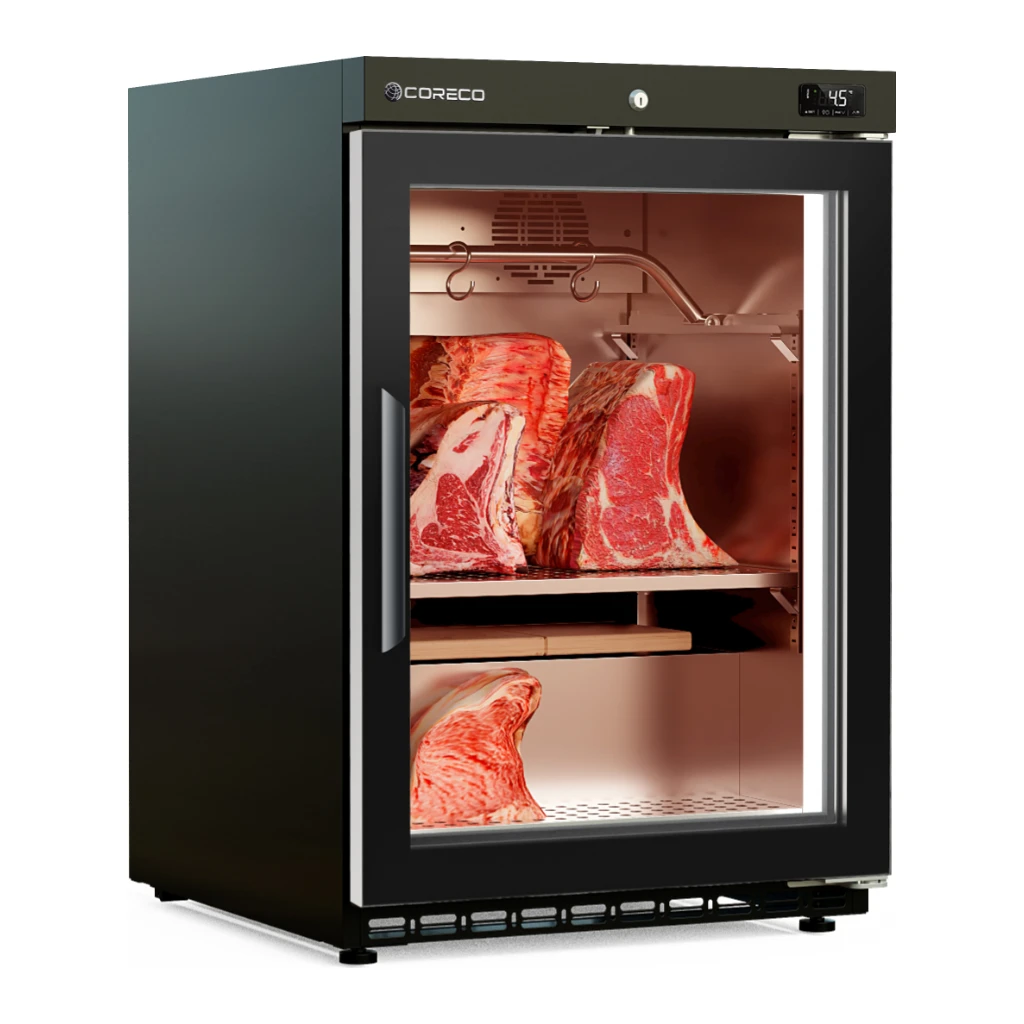
The growing demand for food delivery requires optimized infrastructure, where production efficiency, proper preservation of ingredients, and waste reduction They play a crucial role in the business's profitability. Coreco Gourmet, with its wide range of blast chillers, Coreco Coldrooms cold storage rooms, and refrigerated display cases, offers refrigeration solutions specifically designed to maximize uptime in dark kitchens and delivery businesses.
Data on the Food Delivery Market in Spain in 2024
The food delivery market in Spain has also experienced significant growth in 2024, according to various studies and data provided by delivery platforms and consulting firms.
According to the 12th edition of the ‘Gastrómetro,’ compiled by Just Eat, the food delivery and online grocery market in Spain will close out 2024 with revenue of nearly 8,000 million euros, representing an increase of nearly 20% compared to 2023. Specifically, the online food delivery market will exceed 1,290 million euros, while the online shopping basket will total 5,990 million euros.
Uber Eats reports a 40% increase in the number of food delivery orders in Spain during 2024 compared to the previous year. Major cities such as Madrid and Valencia have recorded figures above the national average, establishing themselves as epicenters of this growth.
In terms of consumer trends, although American-style food remains the most popular category, with growth exceeding 50%, there has been a significant increase in other options. For example, kebabs, burritos, and focaccia have seen growth of up to 80% in urban areas such as Madrid. In addition, healthy eating is becoming one of the most popular choices in cities such as Madrid, Barcelona, and Seville.
Consumption habits have also evolved. While weekends—especially Sundays—remain the times of highest demand, there has been a significant increase in weekday orders. In particular, demand for breakfast increased by 30% over the past year.
Looking ahead, Statista, the German data collection platform, forecasts that the home grocery delivery market will grow by 45% by 2028, while food delivery will experience growth of 27%. The industry is estimated to reach 11.3 billion euros in 2028, broken down into 1.6 billion for food delivery and 8.71 billion for grocery delivery.
These figures reflect a clear trend toward convenience and flexibility in the consumption habits of Spaniards, driven by the convenience and time savings offered by delivery services.
Types of Dark Kitchens: Business Models and Characteristics
The food delivery industry is experiencing unprecedented growth. Driven by digitalization, the lingering effects of the pandemic, and consumers' growing preference for dining experiences at home, the market for delivery can exceed 160,000 million euros in 2025, according to BusinessWire.
This boom has given rise to a business model that is transforming the restaurant industry: the Dark Kitchens (also known as Ghost Kitchens o Ghost Kitchens). These kitchens operate without in-person service and are designed exclusively to prepare orders for home delivery.
But not all dark kitchens are the same. There are six main structures, each with its own unique characteristics, advantages, and challenges.
Types of Dark Kitchens: Business Models and Characteristics
The concept of dark kitchen It has evolved rapidly in recent years, adapting to the needs of a market that delivery increasingly demanding. Although they all share the common feature of not having a physical space for on-site consumption, There are different models of dark kitchens, each designed to optimize costs, logistics, and operational efficiency based on the type of food service business.
Next, let's take a look at the main ones business models of dark kitchens, their features, advantages, and situations in which they may be the best option.
1. Traditional Dark Kitchen: One operator, one concept
This is the most basic and widely used model. It is a a kitchen used exclusively by a single brand or restaurant, whose only sales channel is home delivery.
Key Features:
✅ A single staff member manages the kitchen.
✅ The restaurant has no direct contact with the customer, since orders come in through delivery platforms.
✅ It requires a lower investment compared to a traditional restaurant.
✅ Maybe standalone or part of a shared space with other dark kitchens.
Advantages:
✔️ Reduced operating costs: There is no need for waitstaff or furniture for customers.
✔️ Easy management: By focusing on a single concept, the process is simpler.
✔️ Scalability: Additional locations can be opened without the need for large investments.
Who is it ideal for?
📌 Restaurants that already exist and are looking to expand without opening a new physical location.
📌 Food entrepreneurs who want to try a new culinary concept without incurring the high costs of a traditional restaurant.
2. Multi-Brand Dark Kitchen: Multiple brands in a single space
In this model, a single company operates various food brands within the kitchen itself, optimizing resources and production.
Key Features:
✅ A single operator manages different brands with varied menus.
✅ Each brand is marketed independently on delivery platforms.
✅ They are shared equipment, ingredients, and staff, maximizing operational efficiency.
✅ Allows test different culinary concepts without the need for multiple locations.
Advantages:
✔️ Higher profitability: A single kitchen team produces for several brands.
✔️ Flexibility: Brands can be added or modified based on market demand.
✔️ Cost reduction: By sharing infrastructure and staff, operating expenses are optimized.
Who is it ideal for?
📌 Food service companies that want to expand their offerings without opening new physical locations.
📌 Traditional restaurants looking to diversify their offerings and increase their revenue in delivery.
🔹 Success story: A business that manages hamburger, sushi, and taco brands from the same kitchen, operating under different visual identities but sharing resources.
3. Dark Kitchen with In-Store Pickup: The Hybrid Model
Although dark kitchens typically operate exclusively for delivery, some have adopted the model of «takeaway» or pick up at the store.
Key Features:
✅ Customers can pick up their order at the store.
✅ Reduces reliance on delivery platforms.
✅ It's an attractive option for customers who prefer to avoid shipping costs.
Advantages:
✔️ Higher profit margin: Commissions charged by delivery platforms are being reduced.
✔️ Better customer experience: Some customers prefer to pick up their food themselves.
✔️ Flexibility in business strategy: It allows you to attract local customers without compromising the dark kitchen model.
Who is it ideal for?
📌 Businesses located in urban areas with high demand for takeout orders.
📌 Brands that want to stay in touch with the customer without opening a traditional restaurant.
4. Dark Kitchen Owned by a Delivery Aggregator: Kitchen Spaces on Delivery Platforms
Some platforms such as Uber Eats, Glovo, Deliveroo, or Just Eatshave developed their own shared kitchens, where they rent the space to various operators.
Key Features:
✅ These spaces are fully equipped and ready to operate, eliminating the need for infrastructure investment.
✅ Restaurants rent the kitchen and use the delivery platform to distribute their products.
✅ They are located in strategic areas to optimize logistics and reduce delivery times.
Advantages:
✔️ Lower initial investment: You don't need to buy equipment or renovate a space.
✔️ Quick startup: You can start trading in a matter of weeks.
✔️ Strategic location: They are designed to maximize logistics efficiency from the delivery service.
Who is it ideal for?
📌 Restaurants and brands looking to expand rapidly in new markets without investment in infrastructure.
📌 Companies that prefer to focus solely on food production without worrying about space management.
🔹 Success story: A restaurant that opens in an Uber Eats kitchen in a new city without having to rent its own space.
5. Outsourced Dark Kitchen: External Production and Cost Optimization
In this model, the Most of the production process is outsourced, leaving only the final stage of preparation and packaging to be done in the kitchen.
Key Features:
✅ The kitchen simply finishes and packs the dishes, reducing production time.
✅ The following is outsourced: production of ingredients or prepared meals.
✅ This may include partnerships with food production chains or specialized suppliers.
Advantages:
✔️ Greater efficiency: Production times are reduced.
✔️ Fewer staff required: Fewer chefs and kitchen staff are needed.
✔️ Cost Optimization: Costs for ingredients and preparation are kept to a minimum.
Who is it ideal for?
📌 Fast-food restaurants or businesses that handle a high volume of orders.
📌 Brands looking for High profitability through optimized production.
🔹 Success story: A healthy food company that outsources the production of its packaged meals and only performs the final assembly in the dark kitchen.
So, which dark kitchen model is the most profitable?
Each dark kitchen model has its own advantages and challenges, and the choice will depend on key factors such as investment, type of cuisine, order volume, and business strategy.
🔹 If you're looking to reduce costs and operate with flexibility, the traditional dark kitchen It's an ideal option.
🔹 If you want to scale your business with multiple brands, the multi-brand dark kitchen It allows you to optimize resources.
🔹 If you prefer an easier way to enter the market, the dark kitchens operated by food delivery platforms They offer a quick and cost-effective solution.
🔹 If you want to minimize operating costs, the outsourced dark kitchen enables more efficient operation.
Regardless of which model you choose, having the appropriate equipment It is essential to ensuring the quality and profitability of the business. Coreco offers refrigeration and food preservation solutions tailored to every type of dark kitchen, from blast chillers to high-performance cold storage rooms.

Key Factors for Choosing the Ideal Dark Kitchen Model
The success of a dark kitchen depends largely on the Choosing the Right Business Model. Not all ghost kitchens operate the same way, and the decision should be based on strategic, operational, and financial factors that align with the business objectives.
Here's a look at the key factors that you should consider before choosing the type of dark kitchen that best suits your food business.
1. Budget and Initial Investment
Available capital is a key factor in choosing a dark kitchen model. It's not the same as renting a kitchen ready for operation within an aggregator how to set up a In-house infrastructure with specialized equipment. These figures are purely speculative and are based on averages. They are intended to provide a rough estimate and should not be taken as anything more than that.
| Dark Kitchen Model | Estimated Investment | Approximate Monthly Costs |
|---|---|---|
| Traditional Dark Kitchen | 40,000–80,000 € | 3,000–5,000 € |
| Multi-Brand Dark Kitchen | 70,000–120,000 € | 5,000–8,000 € |
| Dark Kitchen on Agregador | 5,000–15,000 € | 2,000–4,000 € |
| Outsourced Dark Kitchen | 20,000–50,000 € | 3,000–6,000 € |
🔹 If you're on a tight budget, a dark kitchen on an aggregator It may be the most viable option.
🔹 If you're looking for a model that's more cost-effective in the long run, setting up your own dark kitchen allows you to to have complete control over the operation.
2. Type of cuisine and culinary offerings
The dark kitchen model should be compatible with the type of cuisine you plan to offer. Running a burger joint is not the same as running a fine-dining restaurant.
| Type of Kitchen | Most Appropriate Model | Key Requirements |
|---|---|---|
| Fast food (burgers, pizza, tacos) | Traditional Dark Kitchen or on an Aggregator | Fast production and high volume. |
| Haute cuisine (gourmet cuisine, elaborate dishes) | Premium Dark Kitchen or Multi-Brand | Advanced equipment, optimal maintenance. |
| Healthy food (poke, salads, vegan) | Multi-Brand or Outsourced Dark Kitchen | Fresh ingredients, efficient inventory turnover. |
| International cuisine (sushi, Thai, Mexican) | Multi-Brand Dark Kitchen | Brand diversification, differentiated processes. |
🔹 For gourmet businesses, it is essential to invest in premium equipment such as Coreco blast chillers y high-performance cold storage rooms.
🔹 For fast food, a dark kitchen listed on a food delivery platform is a quick, low-risk option.
3. Location and Delivery Area
The geographic point Wherever a dark kitchen is set up, it has a direct impact on Delivery times and delivery efficiency.
Factors to consider when choosing a location:
✅ Population density: Areas with high demand for delivery, such as urban centers.
✅ Proximity to target customers: Choose a location close to your main customers.
✅ Rental costs: Premium locations may be more expensive, but they guarantee higher demand.
✅ Delivery Driver Availability: Areas with the highest number of active riders on delivery platforms.
📌 Example of a location strategy:
- If your brand focuses on premium dishes, it's a good idea to stay close to high-income residential areas.
- For fast food, it is essential to locate in university or commercial areas with high order turnover.
4. Reliance on delivery platforms or our own channel
A key factor is deciding whether the model will rely exclusively on delivery platforms or whether a direct sales channel.
✅ Dark kitchens on food delivery platforms (Uber Eats, Glovo, Just Eat) They depend on these platforms, which reduces their control over customer relationships and pricing.
✅ In-house dark kitchens enable the development of a the most profitable independent brand.
🔹 To minimize fees, it is recommended to offer incentives for customers to order directly through the company's own website (discounts, promotions, free shipping).
5. Production Capacity and Scalability
If the business has growth potential, it's important to choose a model that allows for easy scaling.
✔️ A multi-brand dark kitchen allows a business to expand with new concepts without opening additional locations.
✔️ An aggregator facilitates rapid expansion into different cities with low risk.
✔️ If the goal is to create a franchise, a traditional dark kitchen with its own branding is the best option.
6. Health Regulations and Standards
Dark kitchens must comply with strict food safety regulations. Before choosing a model, make sure you have:
📌 Health licenses and permits.
📌 Efficient and certified cooling systems.
📌 Equipment that complies with food safety standards (Coreco Coldrooms, blast chillers).
Coreco offers solutions tailored to each business model to ensure Regulatory Compliance and Energy Efficiency.
7. Technology and Equipment
Regardless of the dark kitchen model you choose, having state-of-the-art technology It helps improve operational efficiency.
Essential equipment for any dark kitchen:
🔹 Coreco Blast Chillers: Essential for storing ingredients safely.
🔹 Coreco Coldrooms Cold Storage Rooms: They optimize the storage of fresh produce.
🔹 Order and Inventory Control Systems: Automation to improve production times.
📌 Investing in high-quality equipment ensures lower operating costs and greater production efficiency.
Conclusion: How to Choose the Most Profitable Dark Kitchen Model?
Choosing the right dark kitchen model is a process that requires an assessment of multiple strategic factors.
🔹 If you're on a tight budget, the best option is a aggregator.
🔹 If you're looking for flexibility and growth, a multi-brand It will allow you to scale your business.
🔹 If product quality is a priority, a Gourmet Dark Kitchen A model with premium features is the best choice.
🔹 If you want to maximize long-term profitability, it is better to perform a In-house kitchen with full control over the process.
Coreco offers refrigeration and food preservation solutions designed for every type of dark kitchen, making it possible to optimize costs, energy efficiency, and the quality of the final product.
Do Dark Kitchens Have a Future?
The answer is Yes, and with great potential. To 2026, the food delivery market will exceed 500,000 million euros, with an annual growth rate of 8,29%.
One of the reasons for this growth is the change in consumer habits. Millennials and Generation Z are the main driving force behind this transformation, due to their:
✔️ Preference for digital experiences and convenience.
✔️ High purchasing power and spending on online orders.
✔️ Impact on Social Media, by rating reviews and sharing opinions.
The dark kitchens enable food service businesses adapt to these changes in consumption, providing an efficient, scalable, and cost-effective solution.
The Growth of the Global Dark Kitchen Market
The growth projections are impressive:
📌 By 2030, dark kitchens could reach a global market value of one trillion euros.
📌 In Spain, the dark kitchen market was valued at 928.22 million euros in 2024, with growth of 4.51 TP3T annually through 2034, where it is estimated that it will reach 1.379 million euros.
📌 In United States, there are more than 1,500 dark kitchens.
📌 United Kingdom operates approximately 750 ghost kitchens.
📌 India leads in Asia with more than 3,500 dark kitchens.
📌 China, with more than 7,500 dark kitchens, is the country with the highest penetration rate for this model.
It is estimated that for 2030, dark kitchens will account for the 50% in the global takeout food market.
How to Set Up a Dark Kitchen: Key Steps
The process of Setting Up a Ghost Kitchen It involves making strategic decisions regarding location, equipment, and operational management.
1. Choosing a Concept
Determine whether to proceed a single brand or multiple brands under one roof.
2. Location and Space
The dark kitchens They must be located in strategic areas with a high volume of orders and good logistics connectivity.
3. Investment in Equipment
The professional equipment is the key to success. To ensure efficiency and food security, it is recommended that:
🔹 Coreco Blast Chillers, which are essential for preserving the quality of the ingredients.
🔹 Coreco Coldrooms Cold Storage Rooms, perfect for efficient storage.
🔹 Refrigerated display cases, which are ideal for keeping ingredients fresh before plating.
4. Licenses and Regulations
Comply with food safety and health regulations It is essential for the business to operate legally.
5. Digital Strategy and Marketing
To stand out in a saturated market, it is essential to develop:
✔️ Attractive and distinctive branding.
✔️ SEO Ranking Strategies to appear in customers' search results.
✔️ Active Social Media and Digital Advertising to attract new customers.
Coreco: The Refrigeration Solution for Dark Kitchens
The efficiency and profitability A dark kitchen's success depends largely on its infrastructure and equipment.
The entire line of professional refrigeration products from the Manufacturer Coreco It is designed for high-volume kitchens.
Why Choose Coreco for Your Ghost Kitchen?
✅ Blast Chillers to preserve ingredients in optimal conditions.
✅ Coreco Coldrooms Cold Storage Rooms for efficient storage.
✅ Refrigerated display cases for high-quality ingredients in gourmet kitchens.
✅ Energy-efficient equipment, thereby reducing operating costs.
🔹 Consult with our specialized team and discover how to optimize your business with the best professional refrigeration technology.
📍 Find out more at:
🔗 Coreco Gourmet
🔗 Coreco Coldrooms 🚀
So, Are Dark Kitchens the Future of Food Delivery?
The dark kitchens They are no longer just a trend; they have become a an established reality in modern dining.
If you're looking for a A scalable, profitable business tailored to the digital age, setting up a dark kitchen may be the best investment. With the support of Coreco Gourmet, you'll have access to the best equipment to ensure operational efficiency, sustainability, and commercial success.
💡 Get started today and equip your kitchen with Coreco Gourmet solutions. Grow your business in the gourmet delivery sector! 🚀




 Español
 English
 Français
 Deutsch
 Italiano