




If it is a gourmet or premium segment, wine preservation is an activity that requires precision, knowledge, and the right equipment. Keeping wines at their best requires a combination of these elements. optimal temperature It is crucial to ensure that each bottle retains its flavor, aroma, and unique character. Whether in a restaurant, a gourmet store, or even in a private collection, choosing the refrigerated cava Appropriate temperature is fundamental to maintain the properties of the different types of wine. In this article, among other tips, we will look at: Ideal storage temperatures for different wines and how to select the perfect cava to ensure that each bottle is at its optimal point of preservation.
1. The importance of temperature in the preservation of wine
Wine is a living drink, and its storage directly affects its quality. evolution. Temperature plays an essential role in preservation, as it affects not only the flavor and aroma, but also the longevity from each bottle. An incorrect temperature can accelerate oxidation, alter the volatile compounds, and consequently ruin a bottle that could have been a delight in perfect conditions.
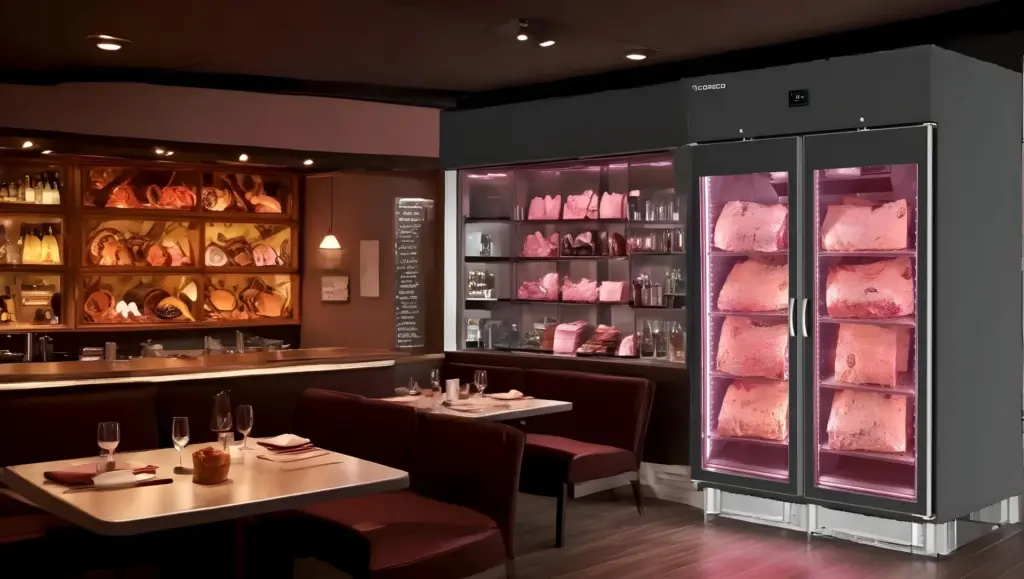
One refrigerated cava The proper temperature is the best tool for ensuring that wines are preserved under ideal conditions, providing a controlled environment where temperature and humidity fluctuations are kept to a minimum. But to achieve optimal preservation, it is necessary to understand the specific needs of each type of wine.
2. Optimal temperature for different types of wine
Not all wines are stored at the same temperature, as each type has different requirements. Knowing these details will help you choose the right one. refrigerated cava Suitable for your cellar or establishment.
Red wines
Red wines require warmer temperatures than whites or sparkling wines to preserve their flavors and aromas. ideal temperature For the preservation of red wines it usually ranges between 12°C and 18°C, Depending on the variety, more robust and aged wines, such as cabernet sauvignon or tempranillo, benefit from temperatures closer to those in the cellar. 16°C or 18°C, Whereas lighter reds, such as pinot noir or gamay, are better preserved at lower temperatures, between 12°C and 14°C.
White wines
White wines need a cooler environment than red wines to maintain their acidity and freshness. The ideal temperature for storing white wines is between 8°C and 12°C. Lighter varieties, such as sauvignon blanc or riesling, require cooler temperatures, around 10°C. 8°C, Whereas more complex white wines, such as chardonnay or aged white wines in barrels, are stored better at around 10°C. 10°C to 12°C.
Sparkling wines
The sparkling ones, like the champagne or the Cava, They should be stored at a temperature lower than that of most wines, as cold temperatures help preserve the flavor. Carbon dioxide and keep the bubbles intact. The ideal temperature To preserve sparkling wines is of 6°C to 8°C. This range ensures that the wine maintains its effervescence and that the delicate flavors are perfectly preserved.
Pink wines
The pink varieties, like the whites, benefit from cool temperatures to maintain their freshness and vibrancy. The optimal temperature for rosé wines it is between 10°C and 12°C. This temperature range highlights its fruity flavors and its refreshing acidity.
Sweet and fortified wines
Sweet wines, such as Sauternes or the Tokaji, and fortified wines, such as Oporto or the Jerez, They have their own conservation needs. Generally, sweet wines should be kept between 10°C and 12°C, while fortified foods can be stored at slightly higher temperatures, between 12°C and 14°C, Depending on the variety.
| Type of wine | Ideal temperature for preservation |
|---|---|
| Lightly colored wines (Pinot Noir, Gamay) | 12°C – 14°C |
| Robust reds (Cabernet Sauvignon, Tempranillo) | 16°C – 18°C |
| Light white wines (Sauvignon Blanc, Riesling) | 8°C – 10°C |
| Complex whites (Chardonnay, Barrica) | 10°C – 12°C |
| Sparkling (Champagne, Cava) | 6°C – 8°C |
| Pink | 10°C – 12°C |
| Sweet wines (Sauternes, Tokaji) | 10°C – 12°C |
| Fortified (Oporto, Jerez) | 12°C – 14°C |
For more information about the temperatures suitable for storing and serving each type of wine, you can consult this Temperature guide from Wine Folly, a specialized resource in the art of wine preservation and service.
3. How to choose the right refrigerated cava
Now that we know the Optimum temperatures For the different types of wine, the next step is to select one refrigerated cava that adapts to these needs. Below, we offer you some key aspects to consider when choosing the ideal cava for your winery or business.
Capacity and distribution of zones
One of the most important aspects when choosing a chilled cava is its capacity and the possibility of having different temperature zones. Double or triple zone cellars allow storing different types of wine at the same time, keeping each variety at its ideal temperature. This is especially useful in restaurants or gourmet shops, where it is necessary to store both red and white wines and sparkling wines.
- Cavas from a specific area: Ideal for those who store only one type of wine or where the temperature can be adjusted depending on the intended use (for example, a cava exclusively for red wines).
- Double zone cavas: Perfect for those who need to store red and white wines in the same facility, as they allow for the adjustment of two different temperatures within the same unit.
- Cavas of triple zone: These cellars allow for greater versatility, with one area dedicated to red wines, another to whites, and a third for sparkling wines.
Humidity control and ventilation
In addition to temperature, the humidity control It is essential for the preservation of wine. Low humidity levels can dry out the corks and allow oxygen to enter, which spoils the wine. On the other hand, too high humidity levels can promote the growth of mold on the labels and corks. High-quality chilled cavas, such as those from Coreco Gourmet, They offer Automatic humidity control systems, which keeps the environment in the ideal range 60% to 70% of humidity.
It is also important that the cava has a efficient ventilation system, This allows for a constant flow of air and prevents the accumulation of odors that could alter the wine.
Anti-vibration systems
Wine is sensitive to vibrations, Because these can disrupt the aging process and affect their flavor. High-end chilled cavas are equipped with anti-vibration systems, These minimize any movement that could damage the molecular structure of the wine. If you want to keep your collection in the best condition, make sure the cava you choose has this technology.
Energy efficiency
The energy consumption It is another important factor, especially if you plan to keep the wine cellar running 24 hours a day. Modern models are designed to be Energy-efficient, This not only reduces the environmental impact but also helps to reduce operating costs. Choosing kegs with energy efficiency certifications ensures lower consumption without compromising the quality of preservation.
4. Advanced technology for optimal conservation
The evolution in refrigeration technology has made it possible for refrigerated cavas Modern wine coolers offer precise control of temperature and humidity, which is crucial for maintaining the characteristics of each type of wine. Brands such as Coreco Gourmet They have specialized in developing technological solutions that allow for total control of the storage environment.
- Digital temperature controlCurrent refrigerated cellars include digital control systems that allow temperature adjustment with precision and in real time. This ensures that the wines remain at their exact temperature throughout the entire preservation period.
- Remote monitoring: Some cavas allow the remote monitoring through mobile applications, which makes it easier for restaurant or store owners to manage temperature and storage conditions without needing to be physically present.
5. Coreco tips for choosing the perfect chilled cava
In Coreco Gourmet, We believe that a well-chilled cava is essential for any establishment that offers quality wines. Here are some tips for you: tips Key to making the best decision:
- Evaluate your needsDefine what types of wine you will store and in what quantity. If your menu includes red, white and sparkling wines, opt for a double or triple zone cava.
- Check the humidity control: Make sure that the cava has a system that maintains humidity levels between 10% and 12%. 60% and 70% to preserve the condition of the corks and prevent oxidation.
- Consider the size and locationChoose a cava that fits the available space in your venue or cellar, and make sure it has a design that optimizes the arrangement of the bottles.
- Prioritize technology: Look for models that include systems of anti-vibration, Digital temperature control And, if possible, remote monitoring to ensure that the wines remain in optimal conditions at all times.
Are you ready to preserve your wines at the perfect temperature?
Discover our refrigerated cavas and select the best option for your business in Coreco Gourmet.
The optimal temperature for wine is only achieved with chilled cavas
The choice of the Suitable refrigerated cava It is key to preserving your wines in the best conditions and offering your customers an unparalleled tasting experience. Each type of wine requires a specific temperature, and having a team that allows you to precisely adjust those conditions ensures that each bottle reaches its full potential. Coreco Gourmet, We are committed to offering refrigeration solutions that not only care for your wine, but also optimize space and energy consumption in your establishment.
Additional recommendations regarding the optimal temperature of wine in refrigerated cavas
- Opt for cavas with wooden shelves to absorb vibrations
- If you choose a single-temperature cava, place the red wines on the top and the white and rosé ones on the bottom.
- Make sure the cava can maintain a stable temperature between 12°C and 16°C for optimal preservation
When choosing a chilled cava, prioritize quality over other considerations to ensure proper preservation of the wines. A good cava will not only preserve the wines in optimal conditions, but will also add a touch of elegance and sophistication to the area where it is located.




 Español
 English
 Français
 Deutsch
 Italiano