






When it comes to medium and high-end wines, keeping the bottles in the optimal environment of refrigerated cellars guarantees a controlled and specialized environment, preserving their unique characteristics and allowing them to develop properly.
It should not be overlooked that chilled cavas offer a better organization and presentation of the wine collection, which is especially beneficial for restaurants and gourmet shops, improving the perception of quality and exclusivity among customers and diners.
The first tips
In Coreco Gourmet, We understand that proper wine conservation is essential to preserve its quality and enjoy all its characteristics. However, the mistake is often made of storing bottles in refrigerated bar fridges or in the home fridge, which is not the ideal environment for preserving wine.
Although for frequent overflow or dispensing by glasses it would seem that these equipment are sufficient, in reality they are not designed to maintain the wine at optimal conditions, whether in closed or open bottles.
Knowing the correct conservation conditions is important not only for preserving high-end wines, but also to ensure that even the most affordable options maintain their quality. In this article, we will explore why bar dispensers and domestic refrigerators do not meet the wine conservation requirements and what is the best alternative.
Interested in finding the ideal solution to preserve your wines? Contact Our team of experts at Coreco Gourmet to receive personalized advice and discover the refrigerated cavas that meet the needs of the market
1. Why are bottle openers not suitable for storing wine?
The refrigerated wine coolers located below the bar are designed to keep the bottles at a pleasant temperature for immediate consumption. However, these wine coolers are not an option for long-term wine storage due to several factors:
Purpose of the bottle rack
A bar cooler is designed to keep beverages accessible and ready for service, especially in establishments with high bottle turnover. This means that these equipment are optimized for quick accessibility rather than for the long-term storage of wines. Additionally, the temperature in these coolers is often not calibrated to the precision required for wine to be properly preserved.
Impact of constant traffic and vibrations
The frequent movement and vibrations of the doors and the compressor negatively affect the wine. By constantly opening and closing the bottle door, the wine is exposed to temperature fluctuations and microvibrations that alter the structure of the wine and accelerate its deterioration. The aromatic and volatile compounds in the wine are sensitive to these factors, which results in a loss of flavor and quality over time.
Temperature and humidity problems in bar fridges
Bar wine coolers usually operate at temperatures ranging between 8°C and 12°C, ideal for serving white wines, but unsuitable for long-term preservation. Furthermore, humidity is not a controlled factor in these coolers, which causes the corks to dry out and air to enter the bottle, favoring the oxidation of the wine.
Do you want your customers to enjoy wine at its highest quality? Discover how a specialized refrigerated cava is the best option for preserving bottles in perfect condition. See wine cavas at Coreco Gourmet
2. Why isn't a home refrigerator an option for storing wine?
Storing wine in the home refrigerator is a common practice, but it can be detrimental to the quality of the wine. Although it may seem a convenient alternative, the environment in a domestic refrigerator does not meet the necessary preservation requirements.
Vibrations and their impact on wine
The refrigerator emits constant vibrations due to its motor and compressor, which can damage the wine at the molecular level. The vibrations agitate the natural sediment and wine compounds, causing a change in its structure and eventually affecting its sensory characteristics. In fine wines, these alterations can be irreversible.
Inadequate temperature and humidity
Home refrigerators usually have low temperatures, between 1°C and 4°C, designed to preserve perishable foods, not wine. At such low temperatures, the wine loses its aromas and its flavor becomes bland.
In addition, the humidity in domestic refrigerators is not suitable for corks, which dries them out and allows air to enter, accelerating the oxidation process.
Odour pollution
The domestic refrigerator houses a wide variety of foods with strong aromas, such as cheeses, vegetables, and meats. These odors can seep through the cork or the lid of wine bottles, affecting their aroma and flavor. Over time, wine stored in a home refrigerator can acquire unwanted flavors.
Refrigerated Cavas for Wine: Effective Preservation
The conservation of wine in a refrigerated cava Specialized refrigeration is considerably more effective than in a bar fridge or domestic refrigerator, due to factors such as temperature stability, humidity control, and the absence of vibrations.
According to conservation experts, the constant temperature between 10°C and 14°C and one Relative humidity between 60% and 70% They are key to preserving the flavors and aromas of the wine. However, in a bar or refrigerator bottle opener, where temperatures often fluctuate, these parameters are not met, affecting the quality of the wine.
Studies and guides for the conservation of sites such as Wine Spectatory Wine Folly They mention that exposure to vibrations and temperature fluctuations shortens the shelf life of wine. For example, the stability of the conditions in a cava allows a wine to be kept in optimal condition for several years, whereas in a domestic refrigerator, its quality is compromised within weeks or even days for more delicate wines.
3. What happens to open wine in these environments?
Once opened, a bottle of wine is even more sensitive to temperature changes and oxidation, as it is in direct contact with oxygen. Keeping an open bottle in a bar bottle rack or in a domestic refrigerator can quickly deteriorate its quality.
Accelerated oxidation
When open, the wine is exposed to more oxygen, which speeds up the oxidation process. In a bar bottle or in a domestic refrigerator, where the temperature and humidity are not ideal, the oxidation occurs even faster, ruining the flavor and aromas of the wine.
Loss of flavor and aroma
Wine that is opened in an unsuitable environment loses its freshness and aromatic nuances. Both the bar bottle opener and the domestic refrigerator do not have the precise control needed for an open bottle to maintain its sensory profile, resulting in a wine that is less appealing to the palate.
4. Conservation factors that wine needs
To understand why a bar bottle or a domestic refrigerator are not suitable for storing wine, it is important to remember what are the optimal conditions that wine needs:
- Constant and precise temperatureIdeally, between 10°C and 14°C, depending on the type of wine.
- Controlled humidityBetween 60% and 70% to prevent the cork from drying out and maintaining its tightness.
- Environment without vibrationsVibrations damage the structure of the wine and its aromatic compounds.
- Protection of external odorsTo avoid the contamination of unwanted aromas and flavors.
A bar bottle rack or a home refrigerator cannot offer these conditions, which results in suboptimal wine preservation.
5. Recommended solutions for storing wine properly
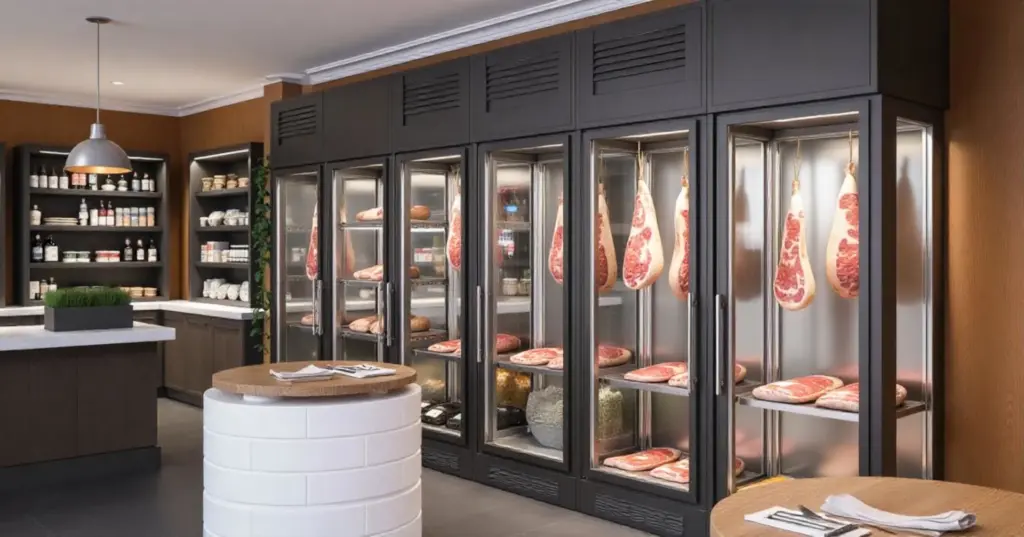
The ideal solution for storing wine, whether open or closed, is a Refrigerated cava specific for wines. These cavas are designed to control all the aforementioned factors and ensure that each bottle maintains its intact characteristics.
Benefits of refrigerated wine cellars:
- Precise temperature controlCellars allow you to select the ideal temperature for each type of wine, from whites to reds and sparkling wines.
- Regulated humidityThey maintain the humidity in the ideal range to preserve the cork and prevent oxidation.
- Environment without vibrationsEquipped with anti-vibration systems that protect the molecular structure of the wine.
- They prevent the contamination of odorsThe cavas are designed exclusively for wine, which prevents external odors from interfering with its flavor.
To preserve an open bottle, a vacuum system can be used and it can be stored in a refrigerated cellar, extending its shelf life and maintaining its quality.
Are you looking for the best way to preserve your wines? Discover our chilled cavas Coreco Gourmet, They are designed to keep the wine in ideal conditions.
See more here
At Coreco we know how to take care of our wines
To delve deeper into the proper use of refrigerated cavas in gourmet spaces, the Coreco blog offers complementary articles that can be of great use.
For example, the Guide to using wine cabinets in restaurants and gourmet shops It provides practical recommendations for the storage and service of wine in these establishments, which helps to improve the customer experience and maintain consistency in the quality of the wine.
In addition, the article Conservation of wine in refrigerated cellars It delves into the ideal conservation conditions and the benefits of using specific equipment for wine storage. These articles are excellent resources for those interested in maximizing the investment in their wine collection and ensuring that each bottle is preserved to its maximum potential.
6.Without a refrigerated cellar, good wine is lost
Although it may seem convenient to store wine in a bar bottle or in a domestic refrigerator, this practice compromises the product's quality and affects its flavor and aroma over time.
Investing in a specific chilled wine cellar not only protects the investment made in the wine, but also ensures an optimal tasting experience for each bottle. Both restaurants and end consumers will benefit from wine preserved under suitable conditions.
Coreco: an experience in constant evolution
Coreco, with its solid experience in the Industrial refrigeration for the Horeca sector, Since its founding in 1990, Coreco has become a benchmark in specialized solutions for the preservation of food and beverages. Its range of refrigerated cavas is designed with the needs of professionals in mind and the importance of preserving high-quality products in optimal conditions. Investment in research and advanced technology allows Coreco to offer refrigeration solutions tailored to the most demanding standards, making it a reliable choice for the gastronomic sector.
With a focus on efficiency, sustainability and precision, Coreco Gourmet It specializes in offering equipment that not only meets the necessary technical requirements, but also provides added value in terms of durability and performance.
This authority in the sector assures the users of Coreco's refrigerated cavas that they are acquiring a product backed by years of experience and testing in the professional field.




 Español
 English
 Français
 Deutsch
 Italiano